Medicaid Funding Cuts 2026: What You Need to Know
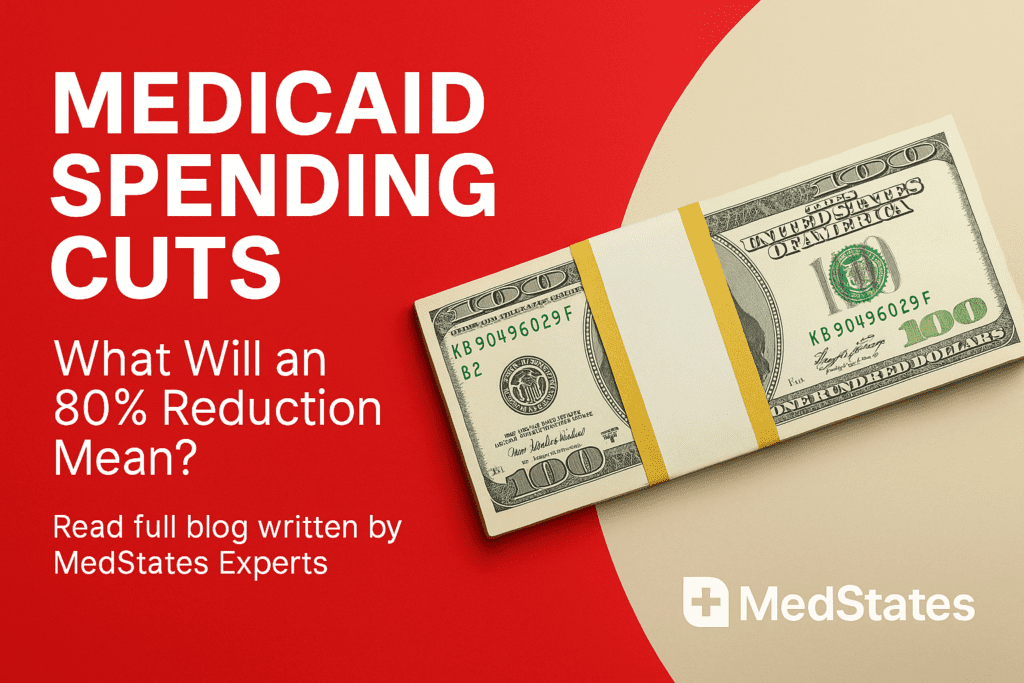
Medicaid, a critical lifeline for millions of Americans, continues to face policy changes and funding debates that could significantly impact healthcare access across the United States. In recent years, federal lawmakers have discussed several proposals to reduce Medicaid spending, including reductions to Medicaid Disproportionate Share Hospital (DSH) payments, which provide financial support to hospitals that treat a large number of low-income and uninsured patients.
In 2026, the discussion around Medicaid funding cuts is largely focused on reductions to Medicaid Disproportionate Share Hospital (DSH) payments, which provide financial support to hospitals treating a large number of Medicaid and uninsured patients. These federal reductions began on October 1, 2025, reducing hospital funding by approximately $8 billion annually starting in fiscal year 2026. Because many safety-net hospitals rely heavily on these funds, healthcare providers across the United States are closely monitoring how the changes may affect hospital operations, patient access to care, and state Medicaid budgets.
BLOG OUTLINE
- What is Medicaid, and Why is it Important?
- What Do the Recent Medicaid Funding Reductions Entail?
- Potential Impacts of Medicaid Cuts
- Who Will Be Affected by Medicaid Funding Cuts?
- Which States Will Be Affected the Most by Medicaid Funding Cuts?
- How Will States Be Affected by Medicaid Funding Cuts?
- What Can You Do About It?
- The Future of Medicaid and Healthcare Access
- FAQs
What is Medicaid, and Why is it Important?
Before diving into the potential impacts of funding cuts, it’s important to understand what Medicaid is and why it matters. Medicaid is a government-run program that provides health coverage to low-income individuals and families. It is a joint program funded by the federal and state governments, offering medical assistance to people who may otherwise not be able to afford it.
Medicaid covers a wide range of services, including doctor visits, hospital stays, prescription medications, preventive care, and more. The program currently provides coverage for over 85 million Americans, making it the largest public health insurance program in the United States.

What Do the Recent Medicaid Funding Reductions Entail?
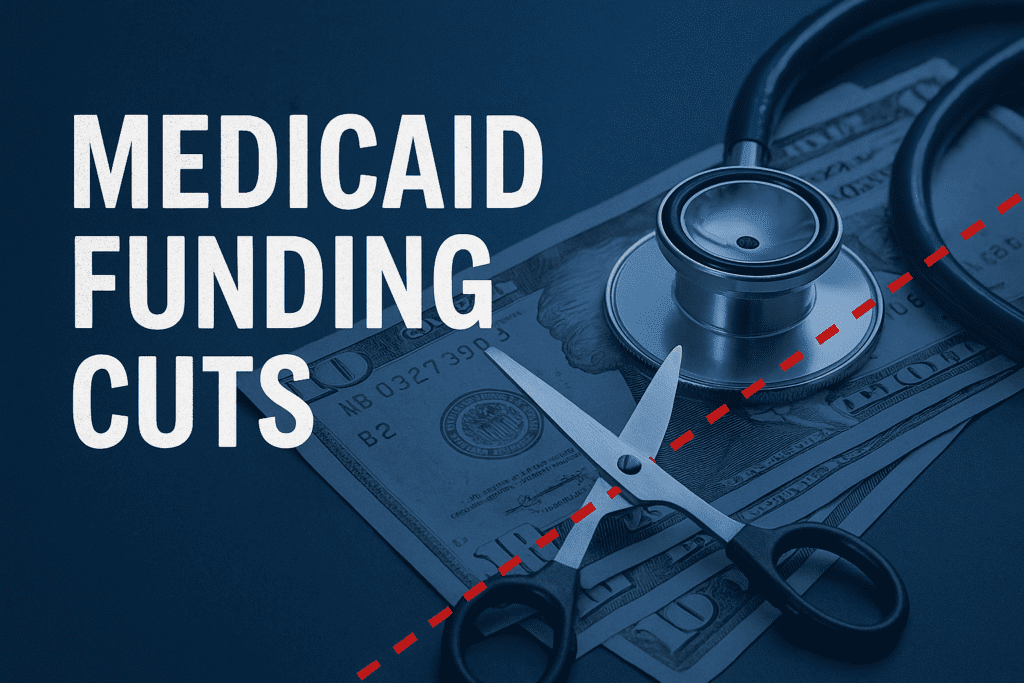
The discussions around Medicaid funding cuts largely center on reductions to federal payments that support hospitals and state Medicaid programs. One of the most significant changes involves Medicaid Disproportionate Share Hospital (DSH) payments, which are federal funds provided to hospitals that treat a high number of Medicaid and uninsured patients.
Under current federal law, Medicaid DSH payments are being reduced by approximately $8 billion per year starting in fiscal year 2026, with additional reductions scheduled in subsequent years unless Congress intervenes.
Historically, Medicaid has been funded jointly by the federal and state governments. The federal government typically covers between 50% and 83% of Medicaid costs, depending on the state’s Federal Medical Assistance Percentage (FMAP).
Potential Impacts of Medicaid CUTS
Following are the potential impacts of Medicaid on:
Medicaid Recipients
1. Loss of Access to Care
One of the most immediate concerns is how the proposed cuts could affect the millions of individuals who rely on Medicaid for their healthcare. Medicaid is a critical support system for low-income families, seniors, and individuals with disabilities, providing them with access to essential health services.
With reductions in federal hospital funding and ongoing pressure on Medicaid budgets, some states may consider limiting benefits, adjusting eligibility requirements, or reducing provider reimbursement rates. This could result in fewer people qualifying for Medicaid or those already enrolled losing coverage altogether.
Key areas that could be affected include:
- Preventive care: Services like immunizations, cancer screenings, and wellness check-ups may no longer be covered, leading to worse health outcomes in the long term.
- Prescription medications: Reduced coverage for drugs could leave individuals without access to necessary medications.
- Mental health services: Medicaid is a major provider of mental health care, and reductions could severely affect people’s access to therapy and psychiatric support.
2. Higher Healthcare Costs for Low-Income Individuals
For those who still qualify for Medicaid under the reduced budget, there may be higher out-of-pocket costs. States may introduce higher copays, deductibles, and premiums, making healthcare less affordable for many Medicaid recipients.
Healthcare Providers
Medicaid is a significant payer for many healthcare providers, particularly those who treat low-income populations. An 80% funding cut would have a direct impact on the way these providers operate, with several potential consequences:
1. Reduced Reimbursement Rates
Healthcare providers who accept Medicaid may face lower reimbursement rates, meaning they’ll be paid less for the care they deliver to Medicaid patients. This could lead to reduced access to care for Medicaid recipients, as providers may choose to stop accepting Medicaid or limit the number of Medicaid patients they treat.
2. Operational Challenges
Providers may also face operational challenges as they navigate these changes. Healthcare facilities, especially in underserved areas, rely on Medicaid funding to sustain operations. With a sharp reduction in Medicaid revenue, many may struggle to maintain their services, resulting in clinic closures, layoffs, or a reduction in available appointments.
3. Increased Administrative Burden
Providers may also see an increase in administrative tasks, as states may impose additional requirements to track Medicaid eligibility and claims. This could result in higher administrative costs and a more complex billing process for providers, taking valuable time away from patient care.
Who Will Be Affected by Medicaid Funding Cuts?
Medicaid funding cuts will have a broad and far-reaching impact on a variety of stakeholders within the healthcare system. Below is a breakdown of the key groups that will be most affected:
- Low-Income Individuals and Families: Medicaid is a critical program for low-income individuals and families. These funding cuts may result in reduced access to healthcare services, longer wait times, and fewer covered benefits, especially for children, seniors, and individuals with disabilities.
- Healthcare Providers: Providers who rely heavily on Medicaid reimbursement will face financial strain. Hospitals, primary care physicians, and specialists may have to reduce services or even close their doors in some cases, particularly in areas where Medicaid patients make up a significant portion of their clientele.
- Longer Wait Times: With fewer resources allocated to Medicaid programs, wait times for appointments and treatments could increase, exacerbating already strained healthcare systems, particularly in rural and underserved areas.
Which States Will Be Affected the Most by Medicaid Funding Cuts?
The impact of Medicaid cuts will vary by state, with some states being disproportionately affected due to the expansion of Medicaid and their reliance on federal funding. Here’s a closer look at which states will face the greatest challenges:
States That Expanded Medicaid Under the ACA
- California: As one of the largest Medicaid programs in the country, California would face significant strain if funding is cut. The state expanded Medicaid coverage to millions of low-income individuals, and cuts could result in a loss of coverage for a large portion of the population.
- New York: Like California, New York’s Medicaid expansion has provided coverage for millions of low-income individuals. Medicaid cuts could result in increased enrollment restrictions, reduced services, and more people without insurance.
- Illinois: Illinois has also significantly expanded Medicaid coverage, and cuts could dramatically impact the state’s healthcare infrastructure, leading to reduced access for vulnerable populations.
States with High Poverty Rates
- Mississippi: Mississippi has one of the highest poverty rates in the U.S. and has a large population reliant on Medicaid. Any reduction in funding could lead to higher uninsured rates and increased financial hardship for low-income families.
- Alabama: In states like Alabama, Medicaid funding cuts would likely result in fewer healthcare providers accepting Medicaid and a reduction in available services, particularly in rural communities where access to healthcare is already limited.
Rural States
- West Virginia: With a large rural population and limited access to healthcare services, West Virginia could be significantly impacted by Medicaid funding cuts. Rural areas are particularly vulnerable due to the lack of medical infrastructure and healthcare providers.
- Montana: Montana, with its vast rural landscape, relies heavily on Medicaid for the healthcare of its low-income and elderly populations. Medicaid cuts could severely reduce access to care in these underserved areas.
States That Did Not Expand Medicaid
- Texas: Although Texas did not expand Medicaid under the ACA, many low-income residents still rely on the program. Cuts to federal funding could exacerbate health disparities, particularly for children and adults without access to employer-based insurance.
- Florida: Florida also did not expand Medicaid, but with millions of low-income individuals still dependent on the program, any cuts to federal funding could leave many without affordable coverage options.
How Will States Be Affected by Medicaid Funding Cuts?
The state-level impact will vary depending on the extent of the cuts and each state’s specific Medicaid program. Some states with larger Medicaid populations may be hit harder than others, leading to more severe restrictions on eligibility or services.
States may be forced to make tough decisions, including:
- Raising taxes to make up for the shortfall in Medicaid funding.
- Reducing benefits for Medicaid recipients.
- Limiting provider participation, leading to fewer healthcare options for Medicaid recipients.
- Shifting more people to private insurance plans, which could increase premiums for low-income individuals.
States with already underfunded Medicaid programs will likely face the most difficulty adjusting to these proposed cuts, putting added pressure on local healthcare systems.
What Can You Do About It?
While the proposed 80% cut is still in the discussion phase, there are a few things that both Medicaid recipients and healthcare providers can do to advocate for change:
Stay Informed
Keep track of updates on the Medicaid funding cuts. Following organizations like the National Medicaid Advocacy Center or the Kaiser Family Foundation can provide valuable insights and resources on this topic.
Plan for Potential Changes
For healthcare providers, it’s important to prepare for potential reductions in Medicaid funding. This could involve:
- Reviewing your Medicaid patient base and making adjustments to billing and operational strategies.
- Exploring alternative revenue streams to offset potential losses in Medicaid reimbursements.
- Investing in efficiency to minimize administrative burdens.
Advocate for Medicaid
If you’re a Medicaid recipient, provider, or advocate, consider contacting your elected officials to voice your concerns about the proposed cuts. Public advocacy can influence policy decisions, and raising awareness of the issue can help protect Medicaid funding.
The Future of Medicaid and Healthcare Access
The future of Medicaid remains uncertain as lawmakers continue to debate the proposed funding cuts. While the reduction could drastically impact low-income individuals, healthcare providers, and state governments, staying informed and advocating for the program can help safeguard its future. By preparing for the changes and understanding the potential consequences, we can work together to ensure that Medicaid continues to serve as a vital resource for those who need it the most.
Medicaid funding cuts will have widespread implications for both the healthcare system and the millions of individuals who rely on Medicaid for their health needs. As states face tough decisions about how to adjust to these cuts, vulnerable populations—particularly those in low-income, rural, and Medicaid-expanded states—will be the hardest hit. Understanding the potential impacts on healthcare access and services will be crucial for providers, policymakers, and beneficiaries as they navigate these changes.
By staying informed about the evolving Medicaid landscape, individuals can better prepare for the changes ahead. Providers should also review their Medicaid billing practices and explore ways to mitigate the impact of funding cuts on their operations.